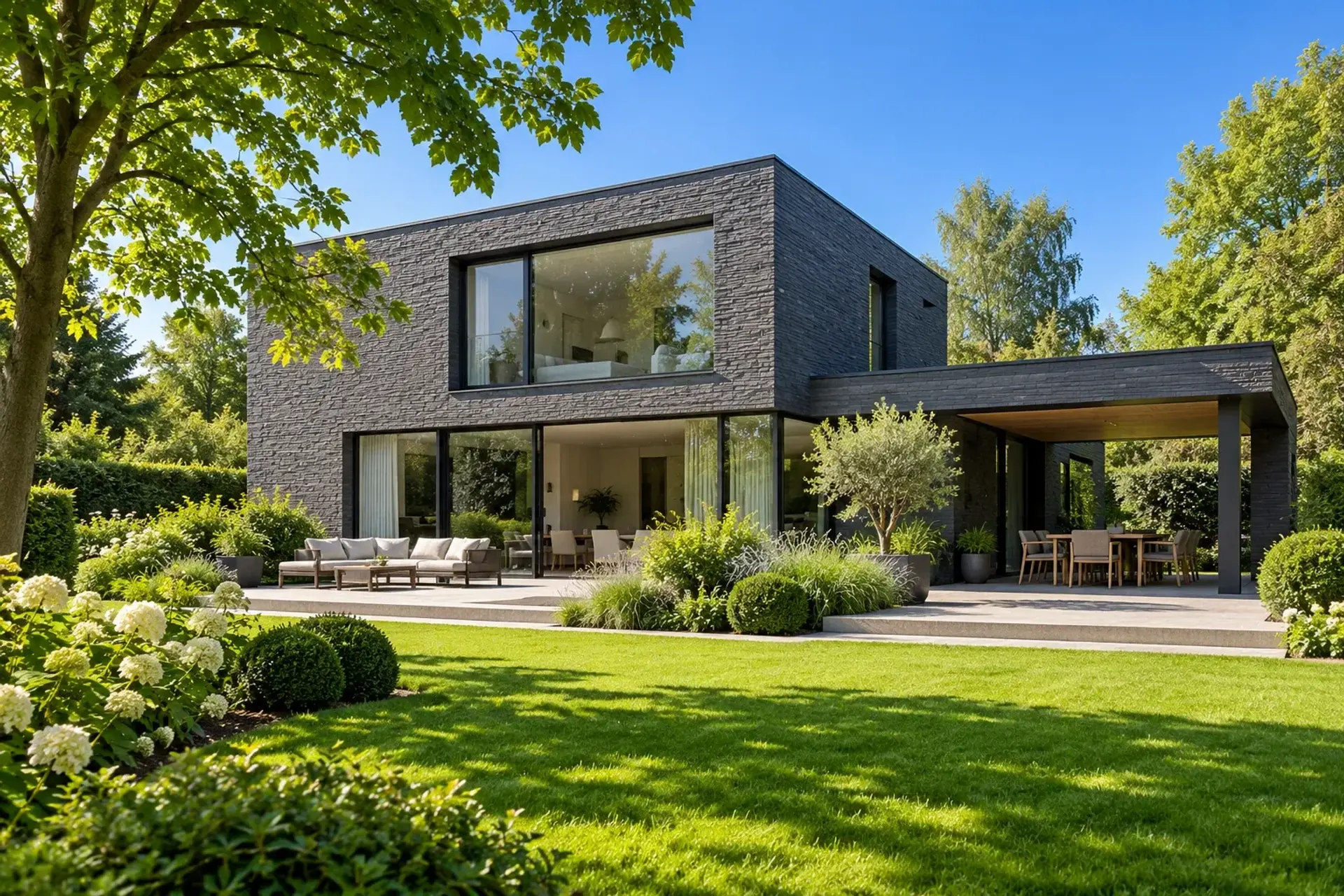
Moderne villa in donkere steen en groene tuin, illustratief sfeerbeeld

Start with the specific intervention

Ordinary maintenance without structural work is generally exempt. Other changes need a closer check. A permit exemption does not remove heritage rules, previous permit conditions, civil law or municipal provisions. Describe the whole proposal before deciding.

Interior work and the architect's role

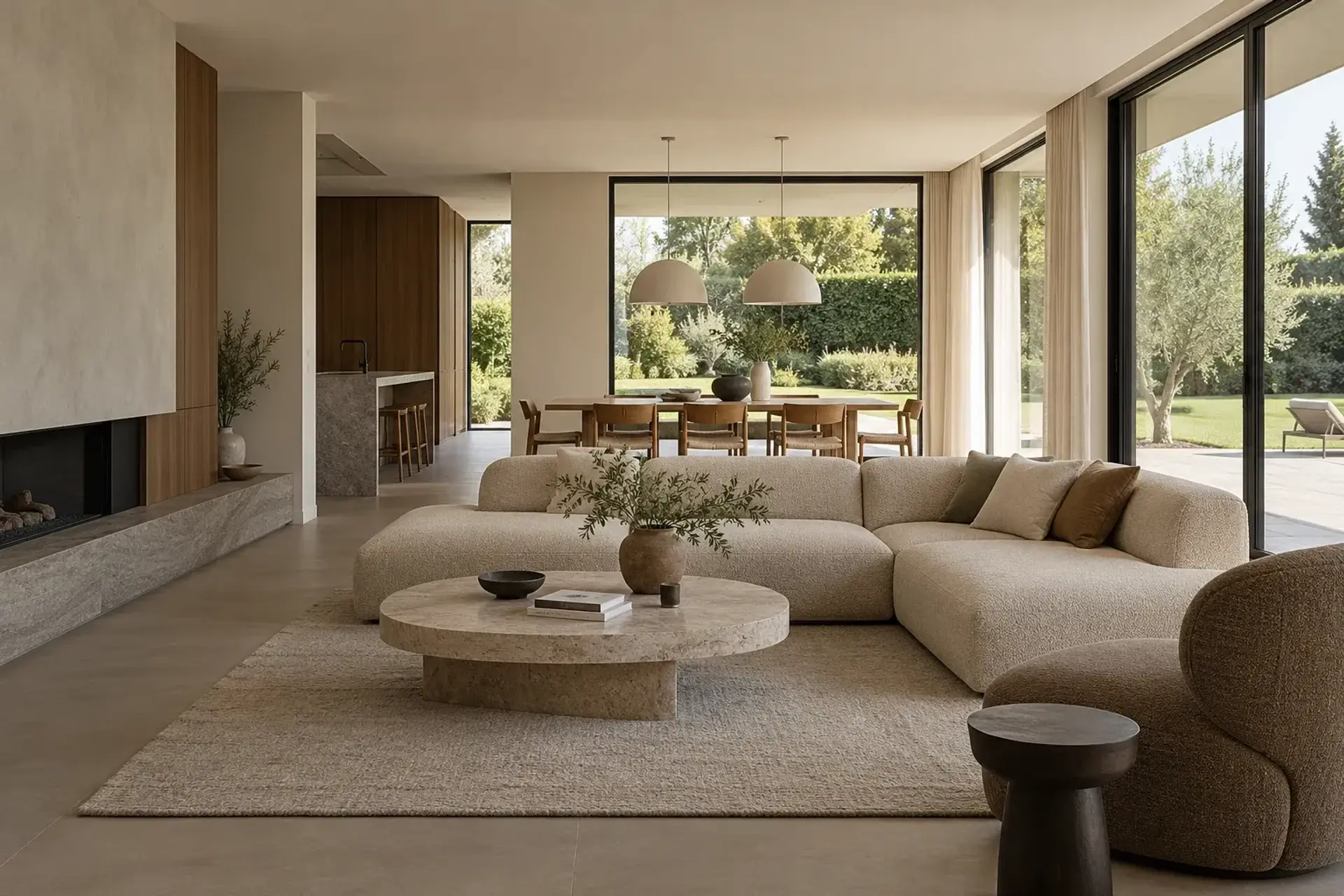
Many alterations inside an existing home can be exempt if the use and number of dwellings remain unchanged and the building is mainly permitted or deemed permitted. Where structural stability is affected, an architect may still be required to design and supervise the work even without a permit. Check heritage status as well.

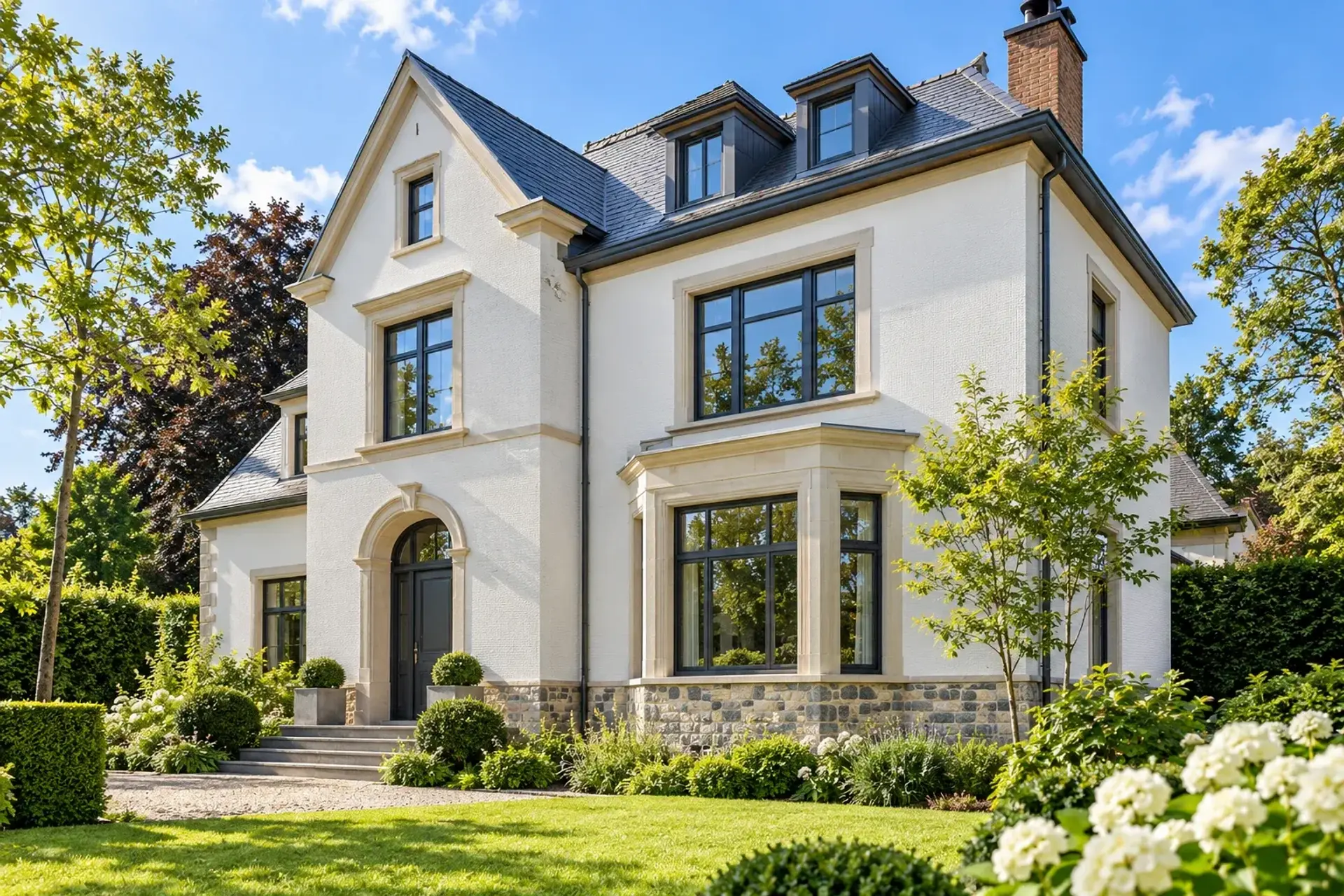
Vernieuwde villagevel en ramen in zonnige tuin, illustratief sfeerbeeld
Lichte vernieuwde villa-leefruimte met zicht op tuin, illustratief sfeerbeeld

Facades and roofs need a separate check

Subject to conditions, some work is exempt where the physical volume does not change and energy performance is not worsened. A new window or external insulation needs assessment for its effect on structure, energy, building line and plans. For a building in an established heritage inventory, certain general exemptions do not apply.

Garden work belongs in the whole plan

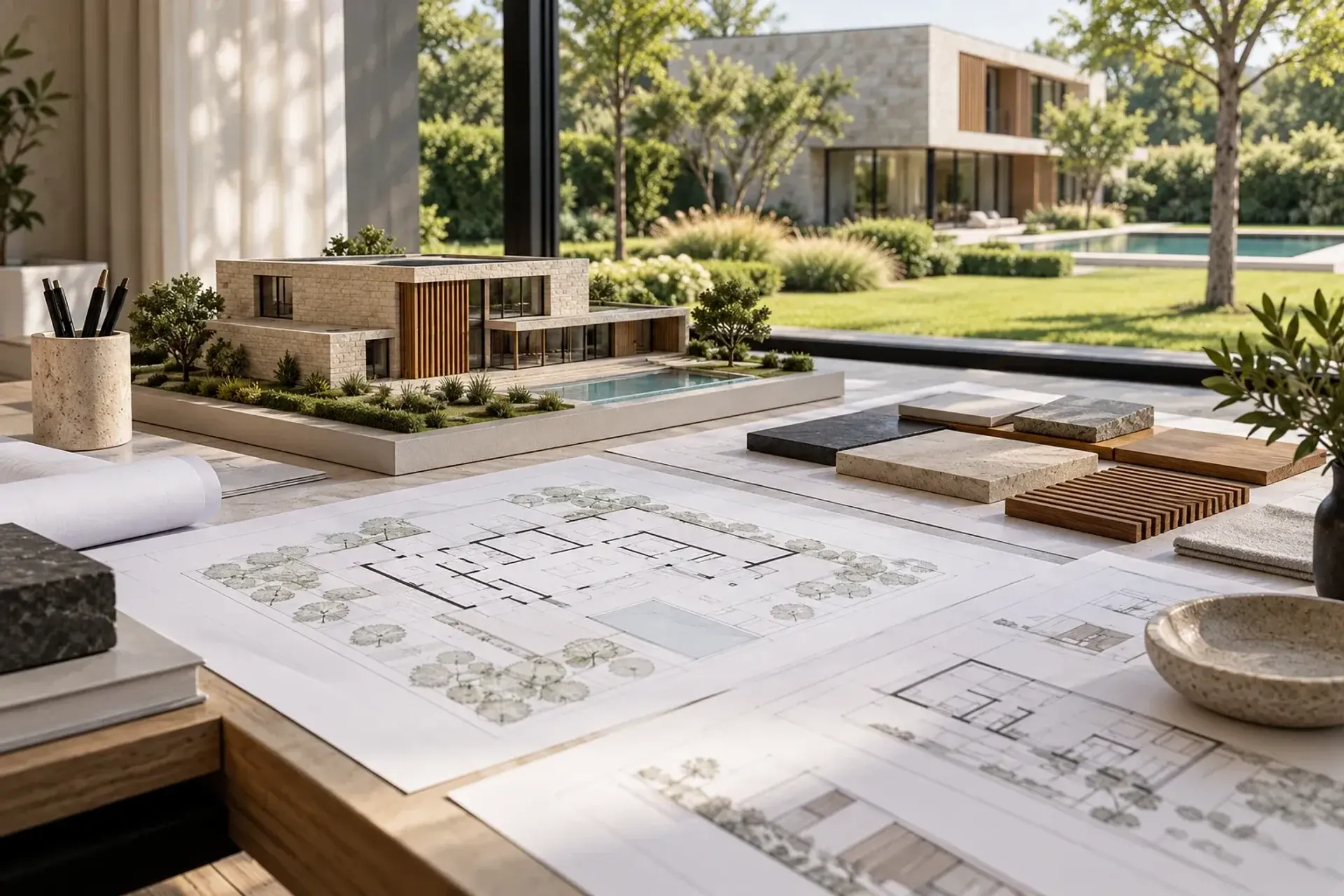
Terraces, pools, swimming ponds and garden structures do not automatically benefit from an interior-work exemption. Distances, combined area, rainwater, sensitive locations and previous permit conditions matter. Draw both existing and proposed features, then ask the municipality. Keep plans, invoices and its response with the sales file.

Architectuurplannen en model van villa op tafel, illustratief sfeerbeeld

About this advice · General information for Flemish homes. Assess an exemption for each project and plot. Consult the municipality and, when appropriate, an architect.

Official sources: Flemish renovation guidance; Flemish exemption order; protected heritage work.

← Back to property advice