
How do you set the asking price for a distinctive home?
A defensible asking price for a villa or character home starts with the property itself, comparable sales and your selling goals.
The value of a villa, character home or architect-designed residence is not simply floor area multiplied by an average price per square metre. A defensible asking price starts with the actual property, relevant market evidence and a clear explanation of the differences.
An achieved sale price comes from a completed transaction. An asking price is the market position chosen when a sale begins. The outcome also depends on buyer interest, negotiated conditions and timing. A valuation is therefore a reasoned assessment at a specific date, not a promise of an exact sale price or selling time.
Another property's advertised price does not prove that it sold for that amount. Completed sales, competing listings and broad statistics answer different questions and should be kept separate.
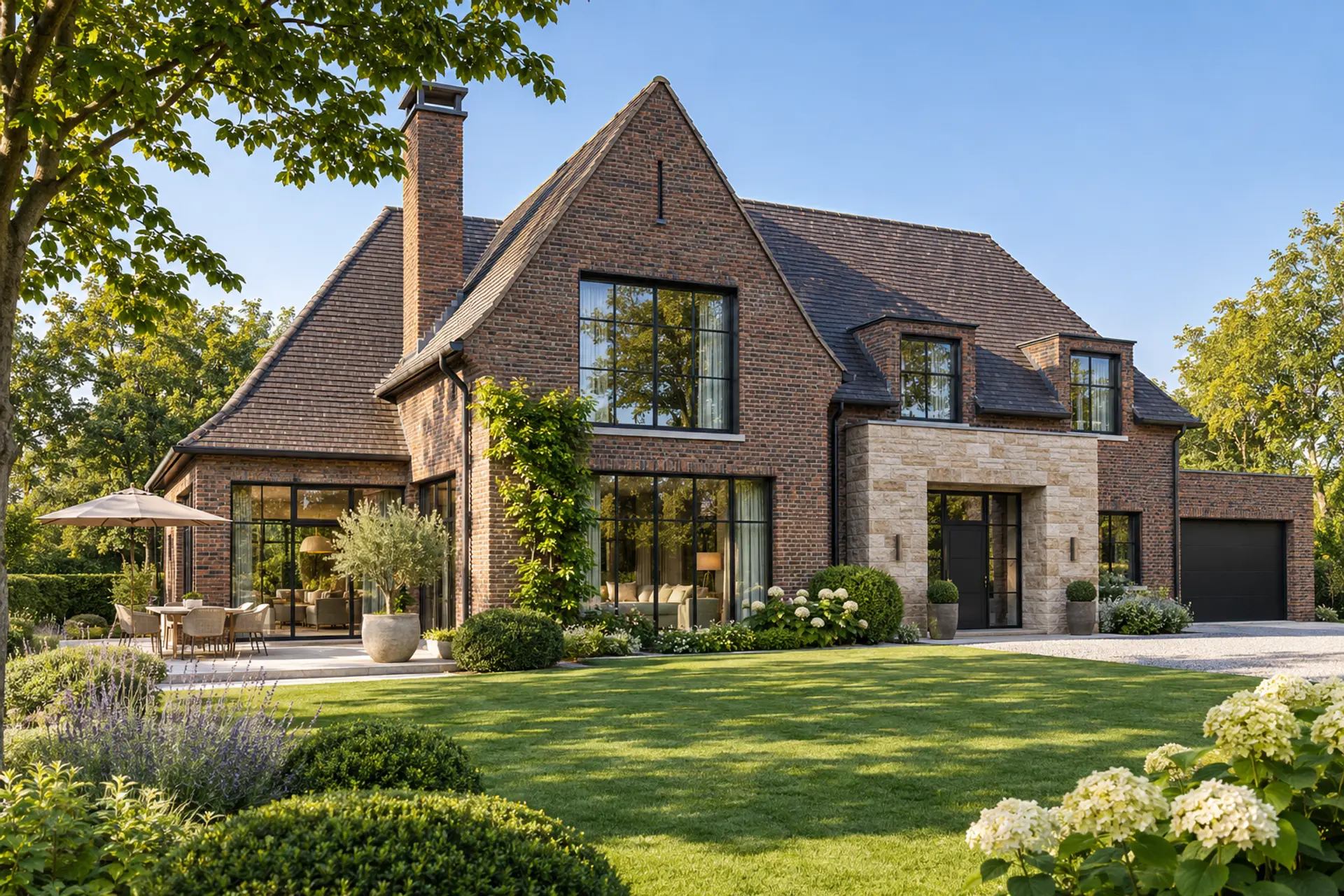
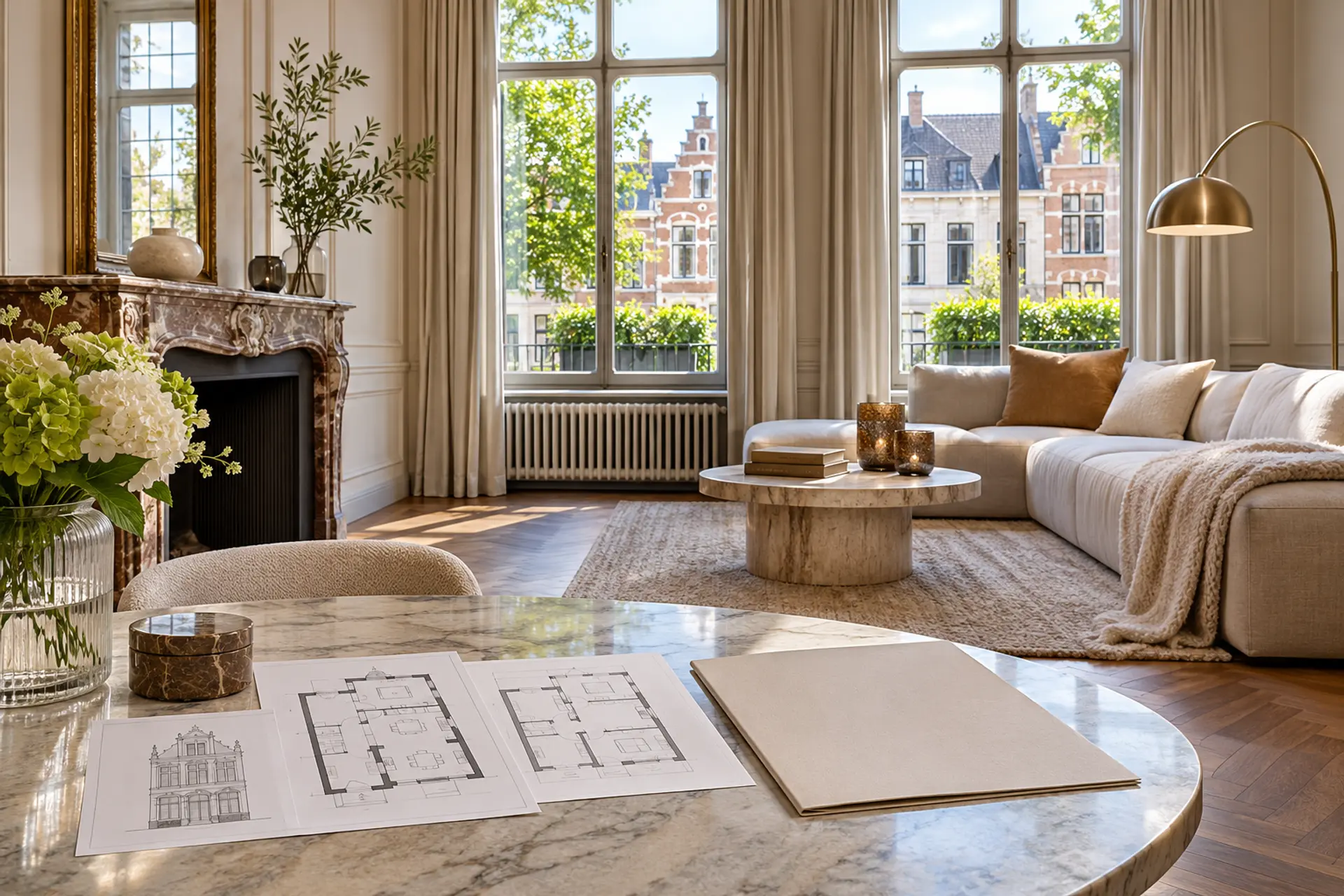
We examine recent sales in light of location, privacy, property type, layout, condition, plot, architecture and transaction date. A city townhouse is not automatically a comparable for a detached villa with parkland, even when their floor areas match.
Distinctive homes seldom have exact twins. The differences from each reference, the reliability of the data and remaining uncertainty must therefore be made explicit. Statbel's median prices describe a wider market, not the value of one home. Our article on Statbel figures and villas explains that distinction.
Architecture, daylight, finishes, maintenance, energy performance, garden, access and the connection between home and grounds matter together. For an estate, plots, outbuildings and any use agreements need attention too. Simply adding separate assumed values does not necessarily describe the legal and functional whole being sold.
An EPC, plans, permits and certificates help distinguish proven features from possibilities that still require checking. A proposed extension is not the same as an authorised existing one. The Flemish government lists sale information and certificates; our sale file guide helps organise the records.
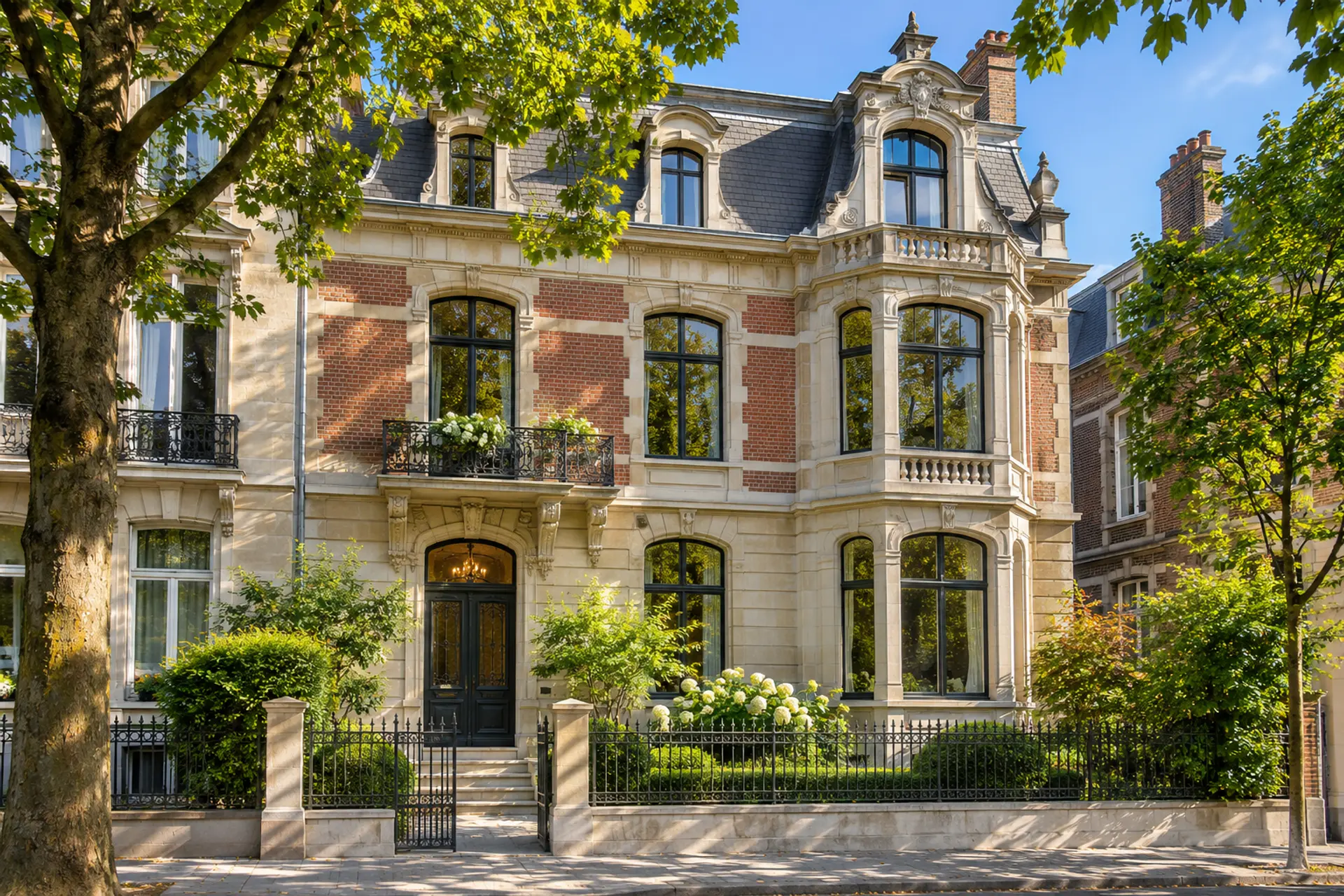
We then discuss desired visibility, likely buyers, timing and presentation. An open launch, targeted approach or discreet start can take different routes without changing the property's facts. An unsupported high asking price may deter suitable buyers; a low starting price does not guarantee a higher final bid.
A useful discussion records the evidence supporting the assessment, the questions still open and when market response should be reviewed. Our step-by-step guide to discreet selling covers that choice.
The title deed, cadastral information, plans, EPC, certificates, renovation records and details of outbuildings or plot-use agreements are helpful. You do not need every document before speaking to us; we can identify what is missing and who should verify it.
Official and professional sources (checked 23 November 2026): Statbel — real-estate prices and methodology, Flemish government — selling a home, in Dutch, RICS — comparable evidence in real estate valuation.
Further reading: Download the Exclusiv’ Home guide to pricing distinctive property (PDF, in Dutch). It explores the considerations in this article in greater depth and can support a personal discussion.
About this advice · General information. An assessment depends on the property, date, available evidence and sale terms. This is neither an individual appraisal nor a guarantee of a result.