
A planning breach at a villa
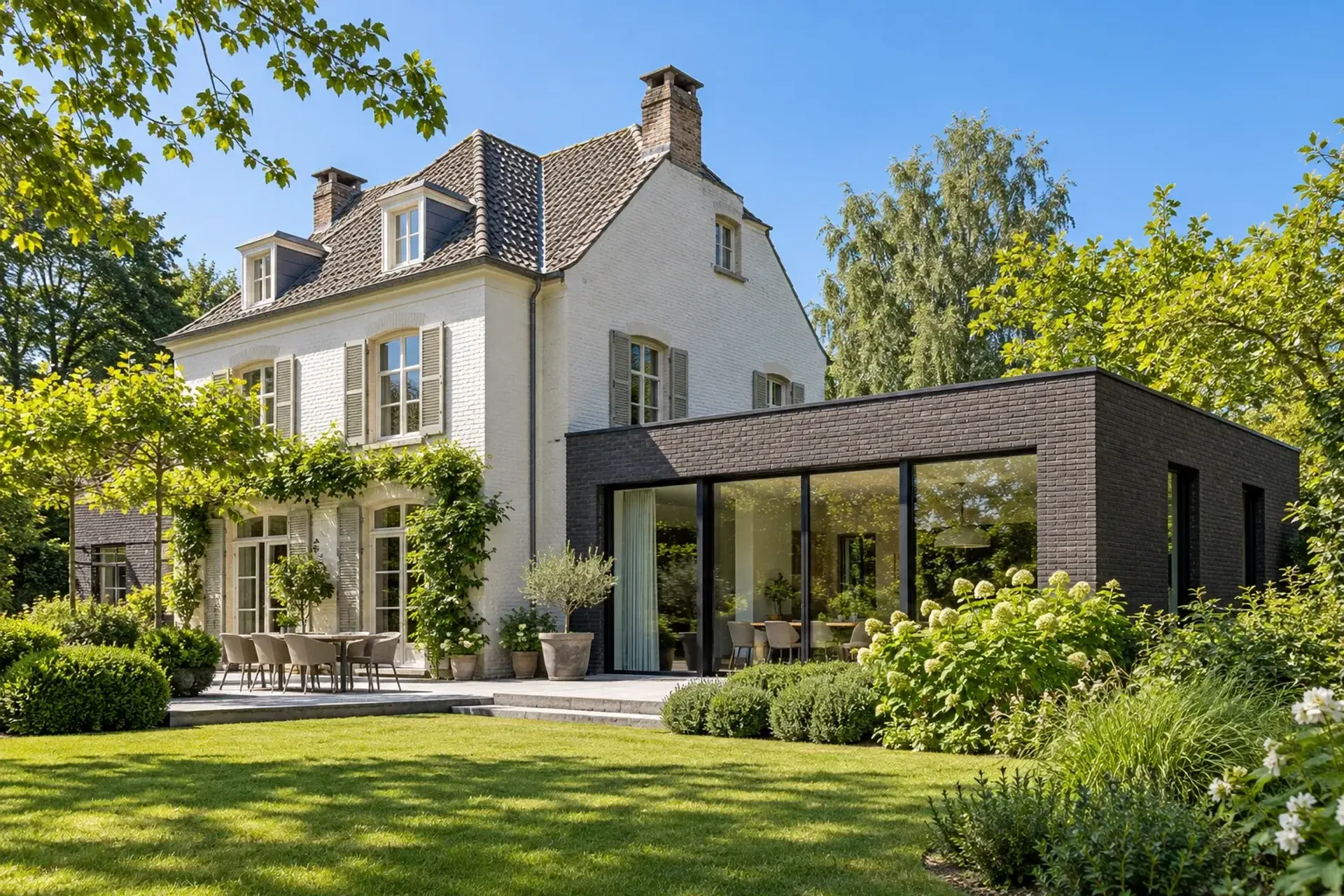
A pool house or added wing may appear original to the villa. During a sale, appearance is not enough: a buyer needs to know which buildings and uses are permitted or deemed permitted.
A pool house or added wing may appear original to the villa. During a sale, appearance is not enough: a buyer needs to know which buildings and uses are permitted or deemed permitted.
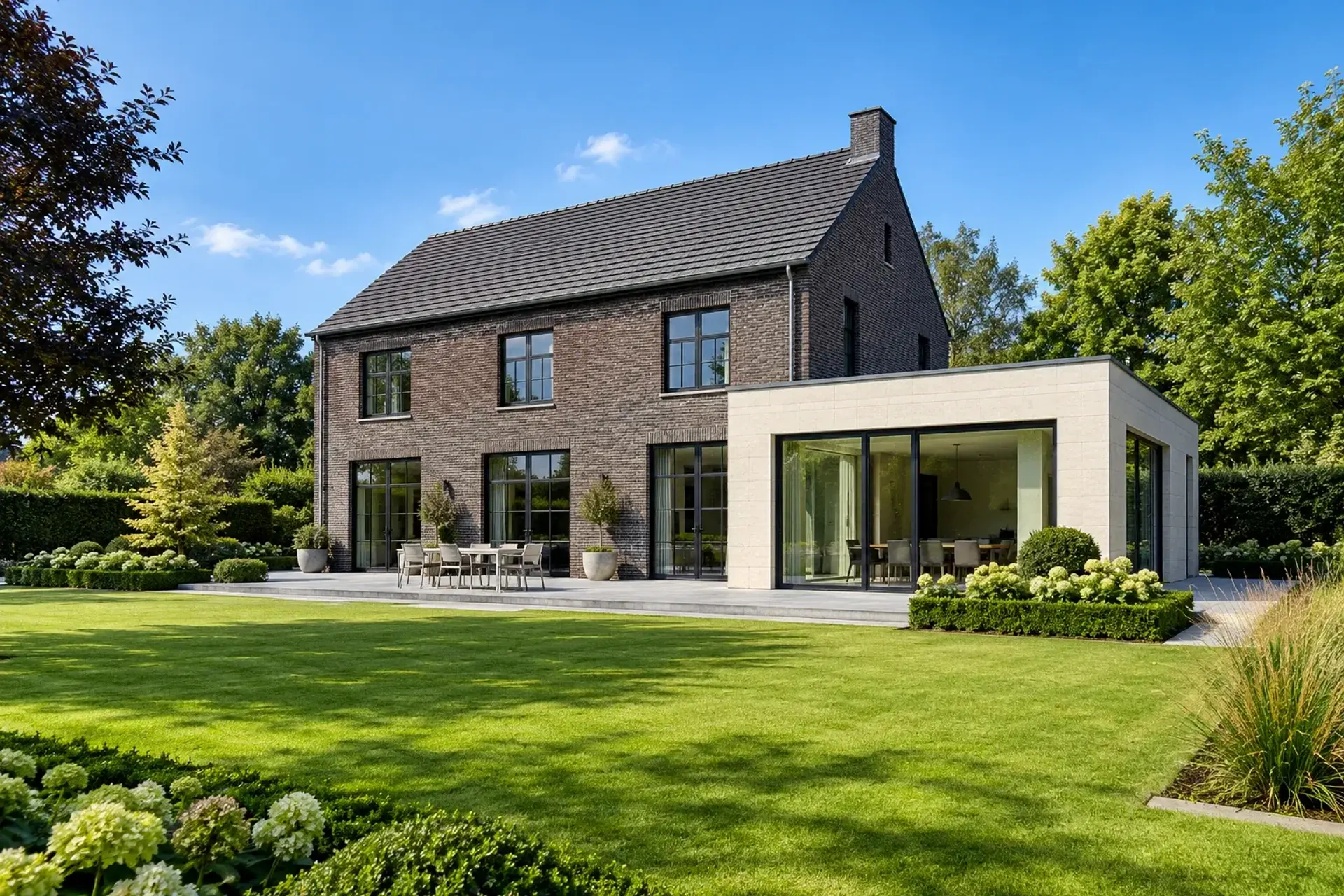
Compare the existing building with the title, available plans, permits and municipal file. Check the size, position and use of each relevant part. A room used for guests today may have a different designation on older drawings. Ask the municipality what is permitted or deemed permitted.
A changed interior arrangement, an undocumented alteration and a proven planning breach are different matters. Establish the exact discrepancies and missing records before describing the villa to buyers. Precise wording avoids promising certainty that the file cannot support.
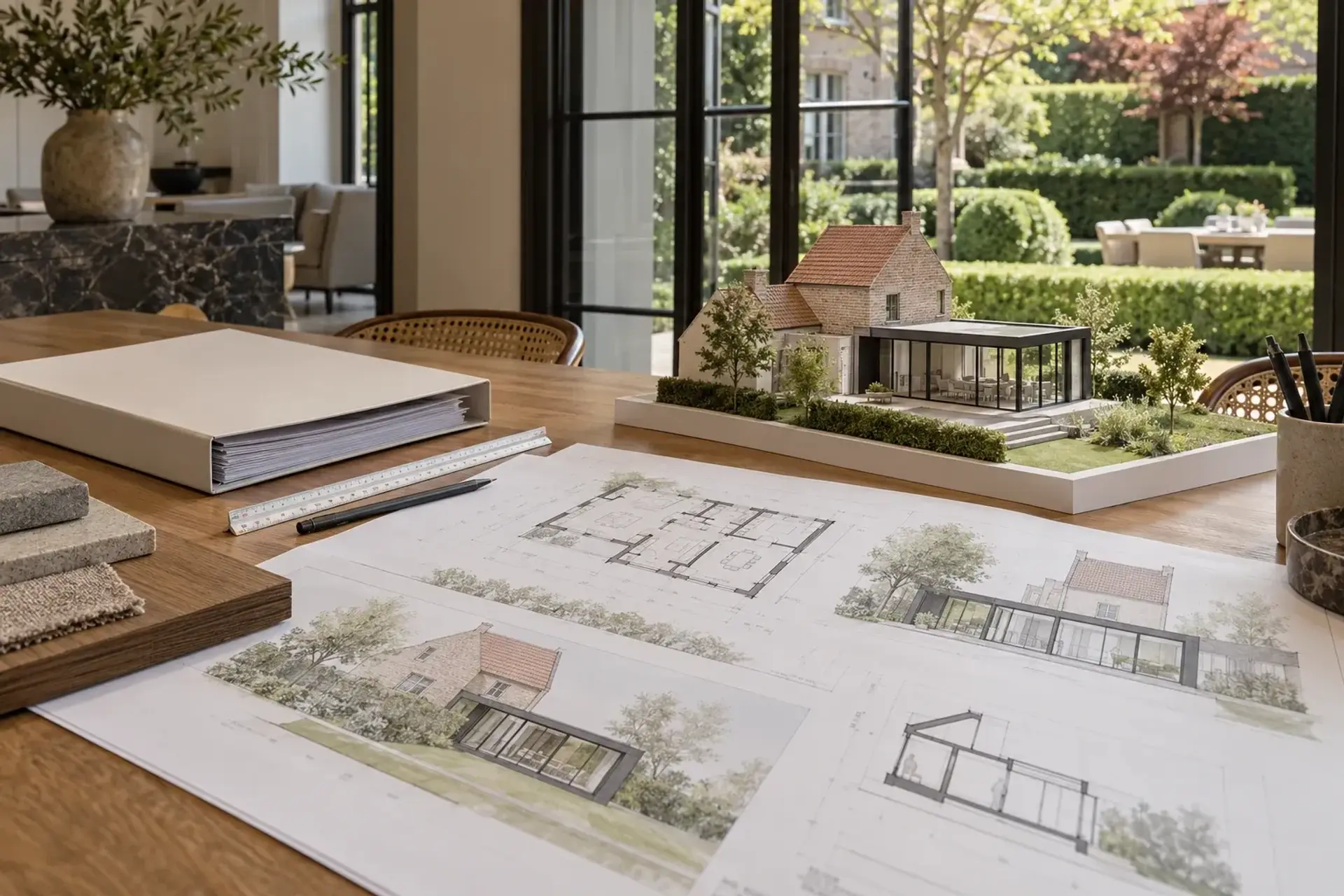
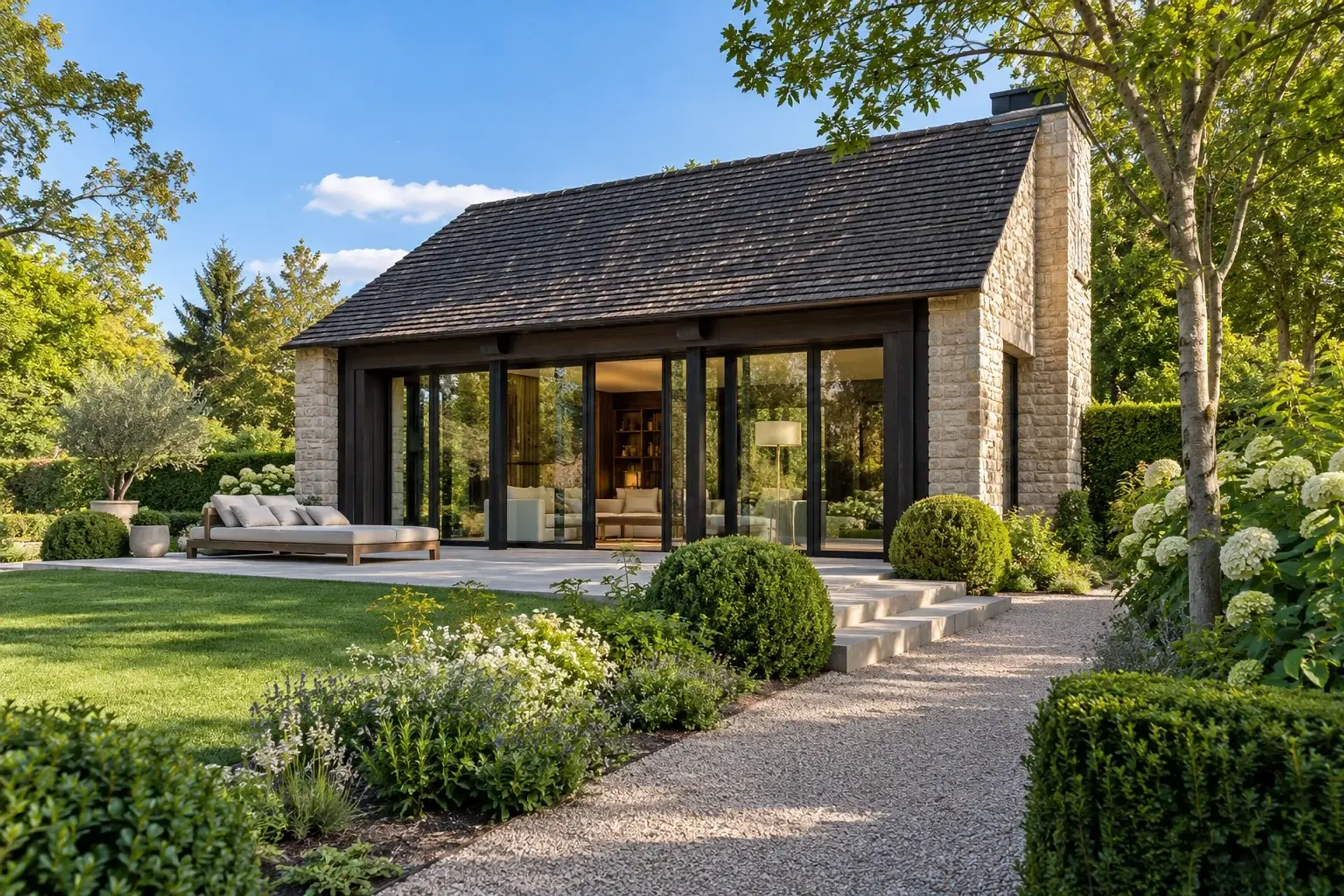
An application for regularisation allows the authority to assess existing work. Approval does not follow automatically from the age of the work, its finish or the lack of neighbour objections. Planning rules and sound spatial development still matter. Modification or restoration may sometimes be required. Consult an architect or specialist before claiming regularisation is possible.
New Flemish rules on limitation of certain enforcement measures have applied since 1 April 2026. Limitation is not regularisation: an unlawful situation does not automatically become permitted. Record your research and outstanding steps in the sales file so candidates can assess the same facts.
About this advice · General information. Permitted status, regularisation and enforcement need property-specific assessment. Obtain legal and building advice before drawing conclusions for a sale.
Official sources: Flemish pre-purchase checklist; Flemish limitation rules.