
Renovate a character villa before selling or offer it as it stands?
Renovating before a sale does not guarantee a higher net result. See how to weigh costs, timing and a villa’s architectural character.
Renovating before a sale does not guarantee a higher net result. See how to weigh costs, timing and a villa’s architectural character.

A valid EPC is required when selling a Flemish home. A poor EPC rating can trigger a renovation duty for the buyer depending on the building and transfer. It does not automatically mean that the seller should complete every possible upgrade first. Our EPC and renovation-duty guide explains the rule. This article focuses on the owner's decision.
Assess the villa's actual condition, technical issues and architectural character. A quick modernisation may remove details valued by buyers, while ignoring defects can make the project hard to assess. Start with facts rather than an assumed resale gain.
For proposed work, obtain cost estimates, realistic timing and clarity on architect and permit requirements. Check whether heritage restrictions apply. Include the possibility of unexpected work and a longer vacant period. Compare that total effort with a transparent sale in its present condition. An invoice or quote does not prove an equivalent increase in sale price.
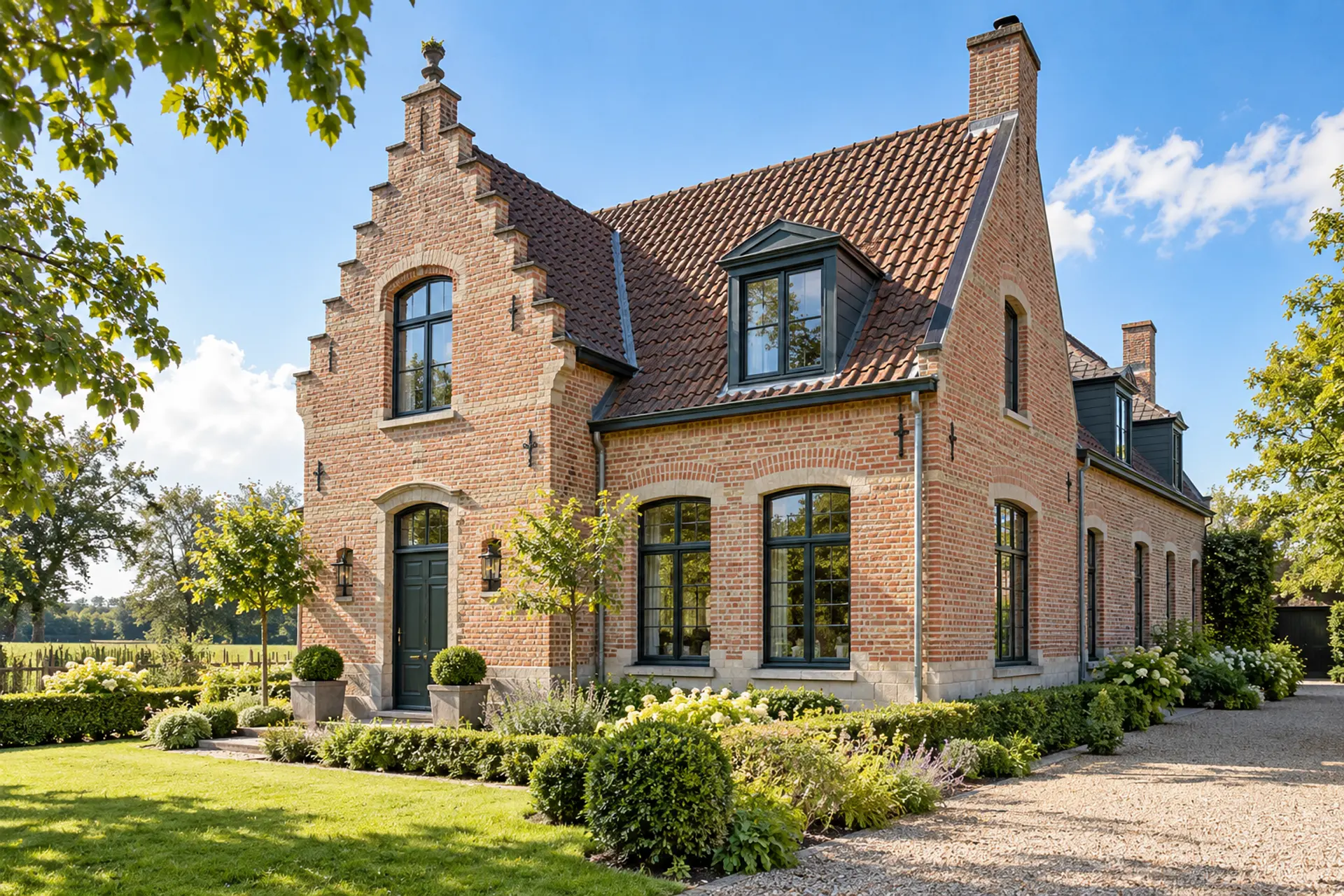
A modest refresh may improve presentation. Where substantial work remains, clear plans and certificates help buyers evaluate the property for themselves. The generated images show different property styles, not a before-and-after of one home. The asking-price discussion should reflect the documented condition at the time of marketing.
Official sources (checked 24 November 2026): Flanders — residential EPC, in Dutch, Flanders — residential renovation duty, in Dutch.
About this advice · General information for homes in Flanders. Duties, permits, costs and price effects depend on the property. Have the specific technical and legal points checked by qualified professionals.