
Right of way at a villa: what does the deed say?
A visible driveway does not define a right of way. Check the deed, plan and actual use before selling a distinctive villa.
A visible driveway does not define a right of way. Check the deed, plan and actual use before selling a distinctive villa.
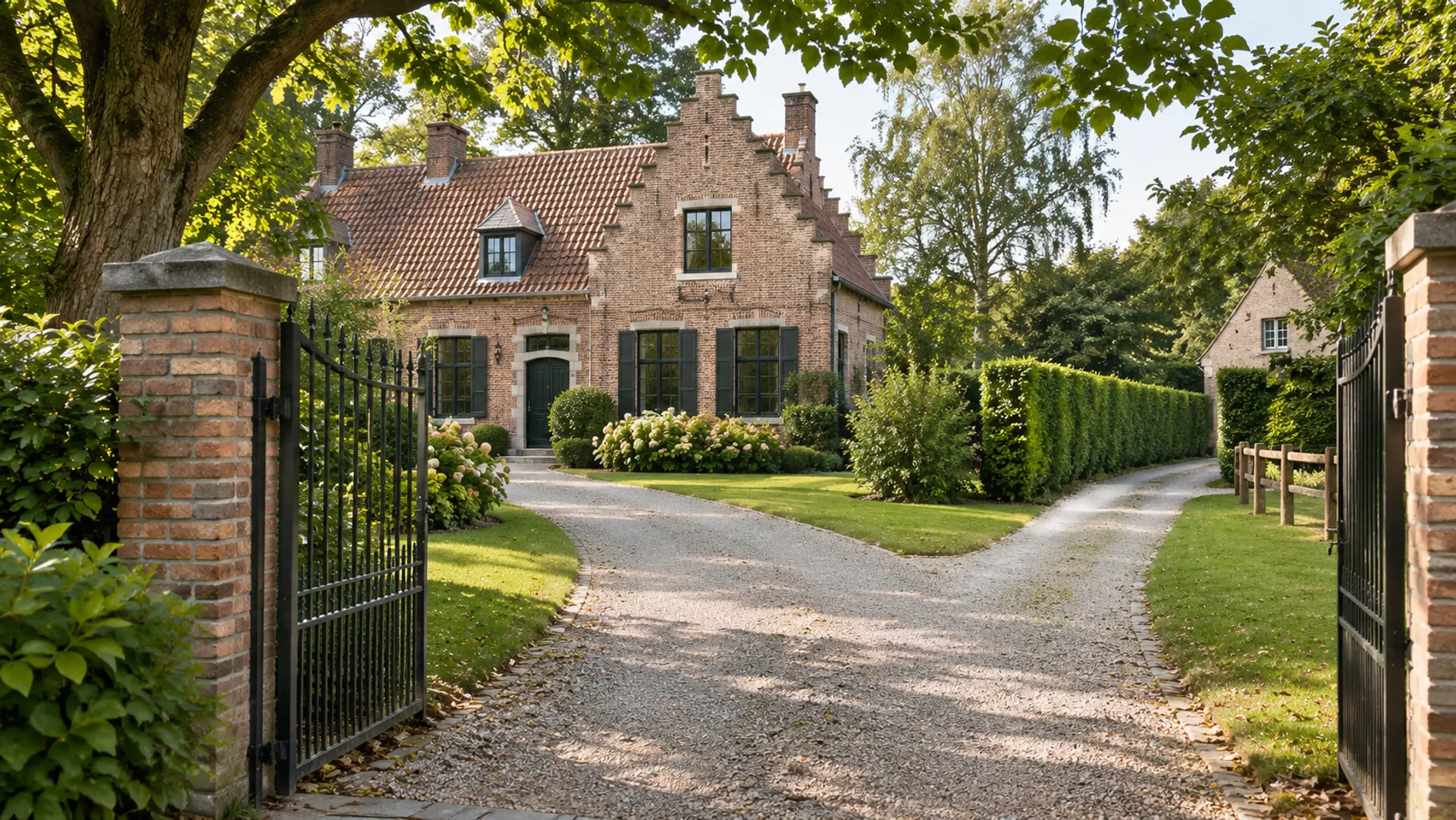
A right of way may be an easement burdening one property for the benefit of another. A visible driveway alone does not establish where the legal route runs or what use it permits. Before promising access or complete privacy in a sales presentation, have the notary review the relevant deed, plans and actual situation.
A villa may benefit from passage across a neighbouring property, or its own grounds may be subject to passage for another property. Locate the relevant deed and its annexes. Which properties are identified? Where is the route? Are width, use or maintenance addressed? A gate or long-standing practice may indicate a right but does not, by itself, prove its exact legal scope. Have the notary assess other possible legal bases as well.
Walk the indicated route and check the entrance, boundaries and any obstacles. Confirm whether visitors, service vehicles or deliveries fall within the right's actual scope; a photograph does not answer that question. If documents and practice appear inconsistent, ask the notary what further records or survey are needed. The answer also matters when assessing an offer for a distinctive home.

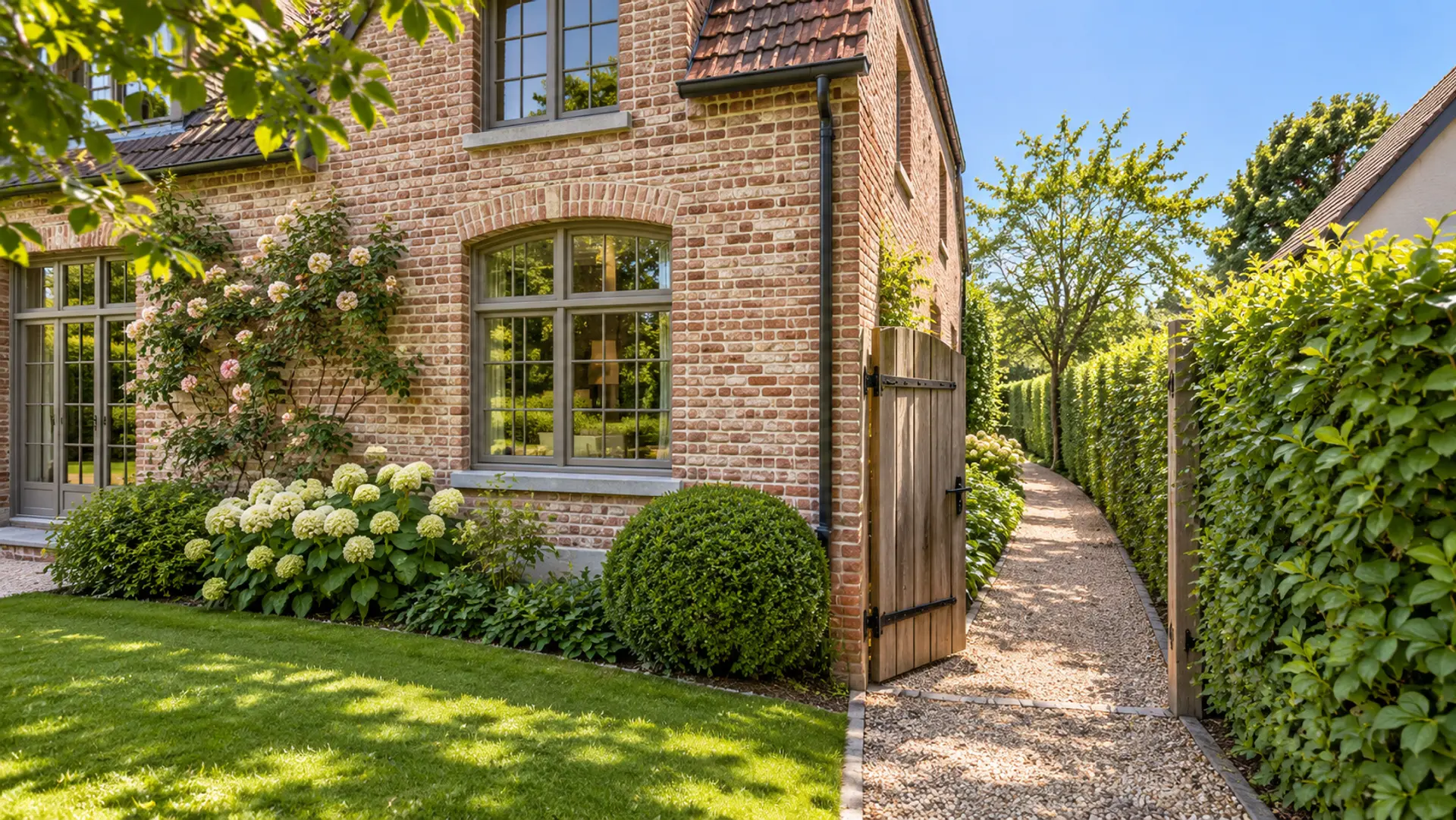
Access, garden use and privacy influence how a distinctive property is understood. Include the relevant deed and plan in the documents needed before selling, and separate documented rights from points still being checked. Exclusiv’ Home can then present the villa for sale clearly without promising a legal position that has not been established.
Belgian Official Gazette – Civil Code Book 3, arts. 3.117–3.120 (Dutch PDF hosted by VITO) and Notaris.be – the sale agreement (Dutch), checked on 7 November 2026.
About this advice · General information. Whether a right of way exists and how far it extends depends on its legal basis, documents and the facts of the particular property. Ask your notary to review the deeds, plans and any dispute.